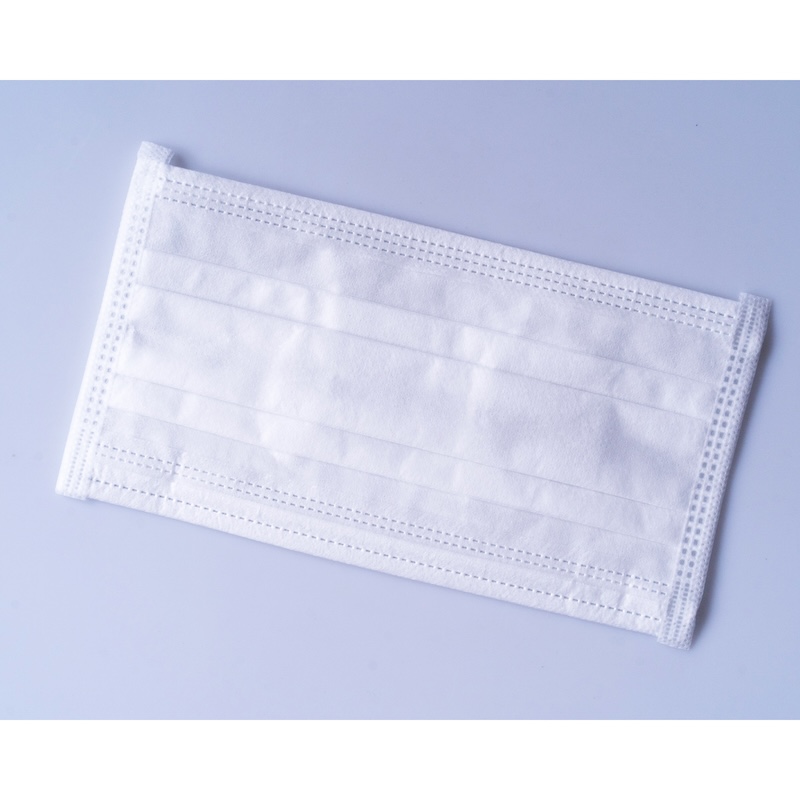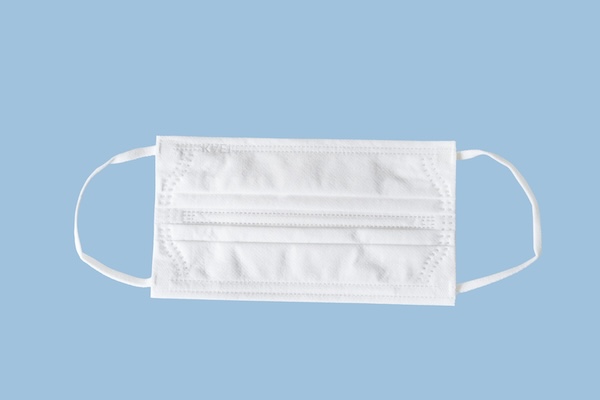


Activated Carbon Mask
Industrial Grade Gas & Odor Protection | CTC 60-80 | VOC Adsorption
Industrial Grade
VOC Protection
CE Certified
ISO 9001
Key Features
- CTC 60-80% High Adsorption Capacity
- 4-Ply with Active Carbon Layer
- BFE ≥95% Particle Filtration
- Designed for Industrial Environments
- Extended Wear Comfort (8+ Hours)
- Effective Against VOCs, Odors & Gases
Product Details
Technical Specifications
| Parameter | Specification | Test Standard |
|---|---|---|
| CTC Adsorption | 60 - 80% | GB/T 12496.5 |
| Benzene Adsorption | ≥ 35% | GB/T 18883 |
| Formaldehyde Adsorption | ≥ 94% | GB/T 18883 |
| Bacterial Filtration Efficiency (BFE) | ≥ 95% | ASTM F2101-14 |
| Particle Filtration Efficiency (PFE) | ≥ 90% (0.3 micron) | ASTM F2299 |
| Breathability (Delta P) | ≤ 5.0 mm H₂O/cm² | EN 14683:2019 |
| Material Composition | 4-layer non-woven with active carbon | - |
| Outer Layer | Hydrophobic spunbond, 30 gsm, fluid-resistant | - |
| Activated Carbon Layer | High-iodine activated carbon cloth, 40 gsm | - |
| Filter Layer | Meltblown electret, 25 gsm | - |
| Inner Layer | Skin-friendly spunbond, 25 gsm, moisture-wicking | - |
| Nose Bridge | Adjustable aluminum strip, 90mm | - |
| Ear Loops | Latex-free elastic, 17cm, ultrasonic welded | - |
| Size | 175 ± 5 mm × 95 ± 5 mm | - |
| Weight | 5.0 ± 0.5 g/piece | - |
| Recommended Wear Time | Up to 8 hours per mask | - |
Features & Benefits
High Adsorption Capacity
CTC 60-80% rating indicates superior activated carbon quality, capable of adsorbing a wide range of organic gases and VOCs effectively.
Dual-Action Protection
Combines activated carbon adsorption for gases/odors with meltblown filtration for particles, providing comprehensive respiratory protection.
Extended Wear Comfort
Optimized breathing resistance (Delta P ≤ 5.0) and moisture-wicking inner layer ensure comfort during 8+ hour industrial shifts.
Particle Filtration
BFE ≥95% and PFE ≥90% provide reliable protection against airborne particles, dust, and biological contaminants in industrial settings.
VOC & Chemical Protection
Effective against formaldehyde (≥94%), benzene (≥35%), and a wide range of volatile organic compounds commonly found in industrial environments.
Rugged Construction
Reinforced 4-ply construction withstands demanding industrial conditions while maintaining consistent filtration performance.
Adsorption Technology & Principle
4-Ply Activated Carbon Structure
1
Protective Outer Layer
Hydrophobic spunbond blocks large particles, dust, and fluid droplets from entering the mask.
2
Activated Carbon Layer
High-iodine activated carbon cloth adsorbs gases, odors, and VOCs through physical adsorption.
3
Electret Filter
Meltblown layer captures fine particles (0.3μm) via electrostatic and mechanical filtration.
4
Comfort Inner Layer
Soft spunbond wicks moisture away from the face, maintaining comfort during extended wear.
Adsorption Mechanism
Activated carbon protects through physical adsorption — a process where gas molecules are trapped within the carbon's extensive pore structure. Our mask uses high-iodine activated carbon (iodine number ≥ 1000 mg/g) with a well-developed micropore structure (pore volume ≥ 0.5 cm³/g), providing maximum surface area for gas capture.
The CTC (Carbon Tetrachloride) adsorption rate of 60-80% is a key indicator of activated carbon quality for gas-phase applications. Higher CTC values indicate better performance for capturing organic vapors and VOCs. Our carbon layer achieves ≥94% formaldehyde removal and ≥35% benzene adsorption, making it suitable for environments with these common industrial contaminants.
Performance Data
Formaldehyde Removal
≥94%
Effective protection against formaldehyde vapors common in manufacturing and construction.
Benzene Adsorption
≥35%
Reliable capture of benzene and aromatic hydrocarbons from petrochemical processes.
Ammonia Removal
≥80%
Effective against ammonia and basic gases in agricultural and chemical industries.
General VOC Reduction
≥70%
Broad-spectrum reduction of volatile organic compounds in mixed gas environments.
Certifications & Compliance
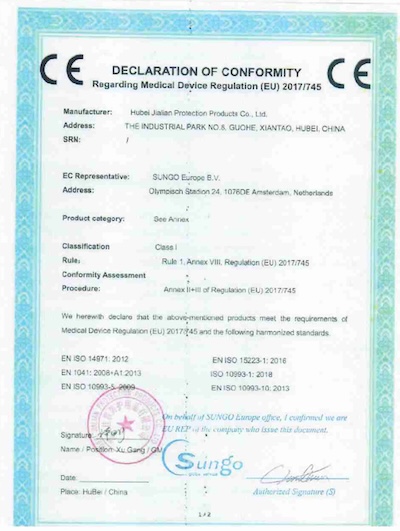
CE Certified
Medical Device Regulation (EU) 2017/745
Classification: Class I
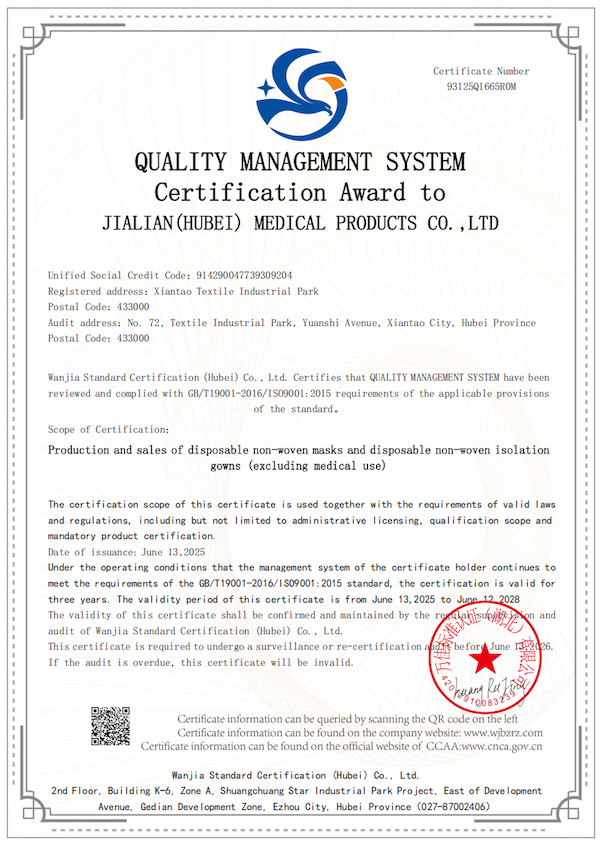
ISO 9001:2015
Quality Management System Certified
Certificate No.: 93125Q1665ROM

GB/T Standards
GB/T 32610-2016 Compliant
Daily Protective Mask Standard
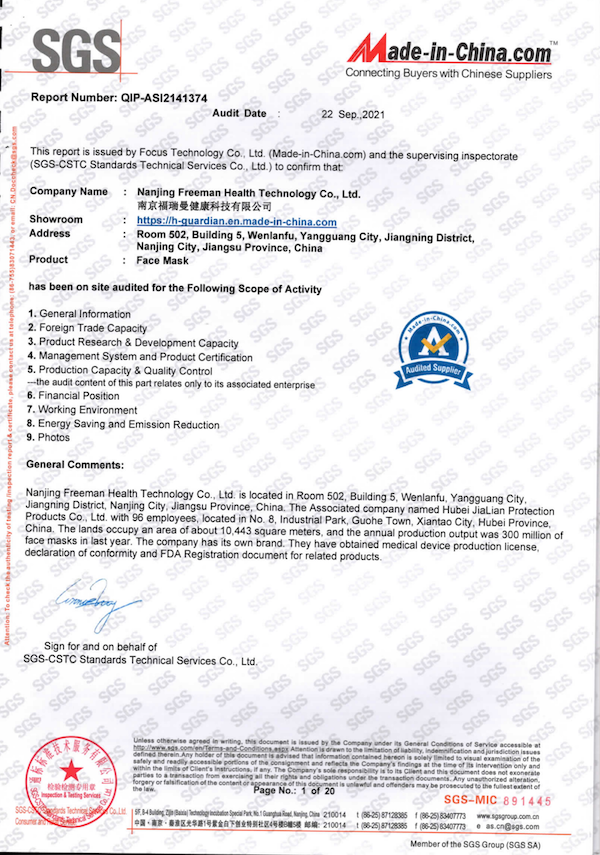
SGS Tested
Adsorption Performance Verified
CTC/Benzene/Formaldehyde Tested
Applicable Industries & Environments
This activated carbon mask is designed for industrial and occupational environments with gas, odor, and VOC exposure:
Petrochemical
Refineries, chemical plants, and oil/gas facilities with benzene, toluene, and hydrocarbon vapors.
Painting & Coating
Automotive painting, spray booths, and coating operations with solvent vapors and paint fumes.
Construction
Sites with formaldehyde from insulation, adhesives, and composite wood products.
Chemical Manufacturing
Facilities handling organic solvents, acids, and chemical intermediates with VOC emissions.
Agriculture
Livestock operations, fertilizer handling, and pesticide application with ammonia and organic gases.
Automotive
Manufacturing and repair shops with exhaust fumes, solvent vapors, and welding fumes.
Textile & Leather
Dyeing, finishing, and tanning operations with formaldehyde and chemical vapors.
Food Processing
Facilities with strong odors, ammonia from refrigeration, and cleaning chemical vapors.
Packaging Options
Related Products
Explore our complete respiratory protection product line